A mothing adventure

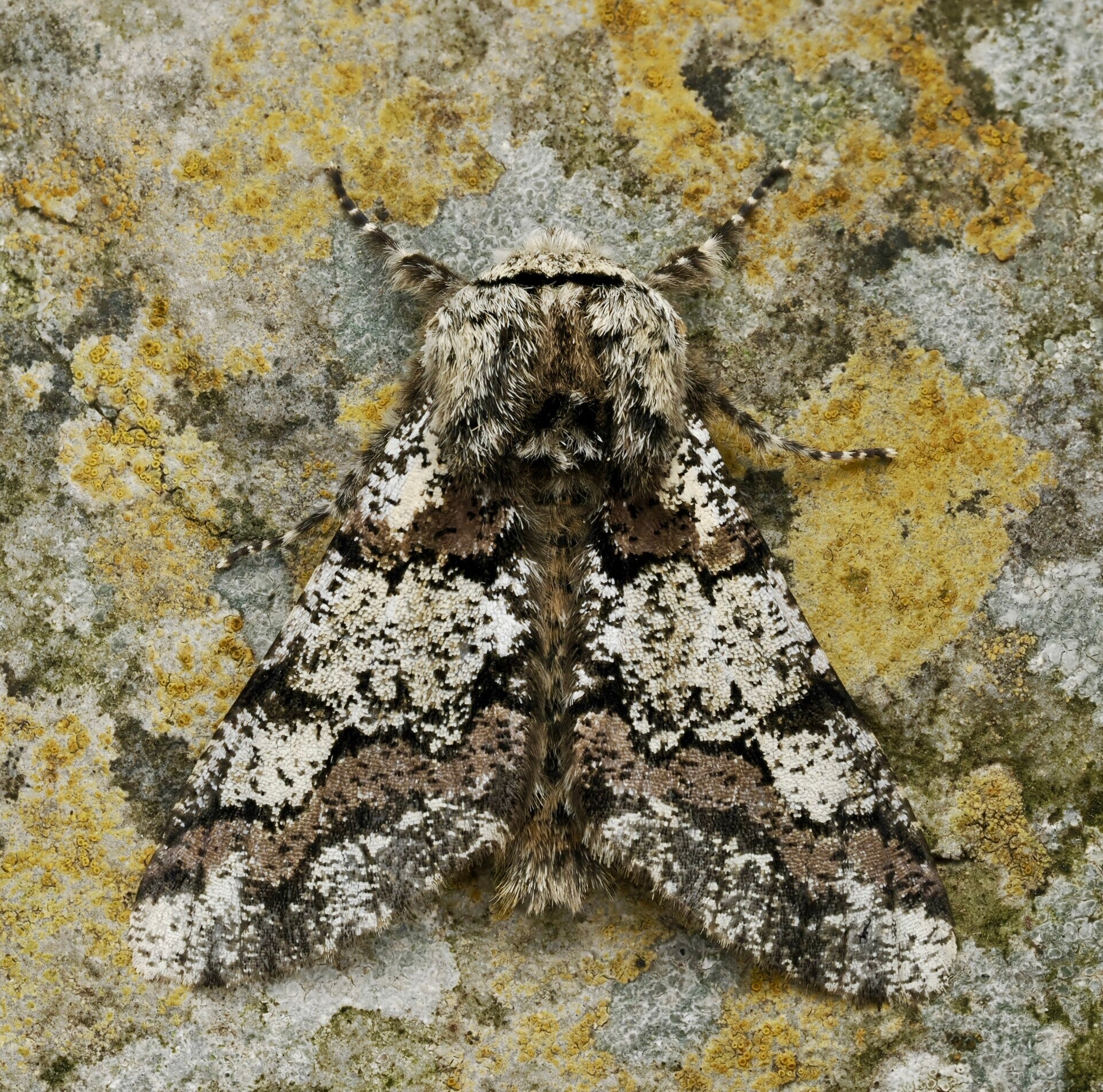
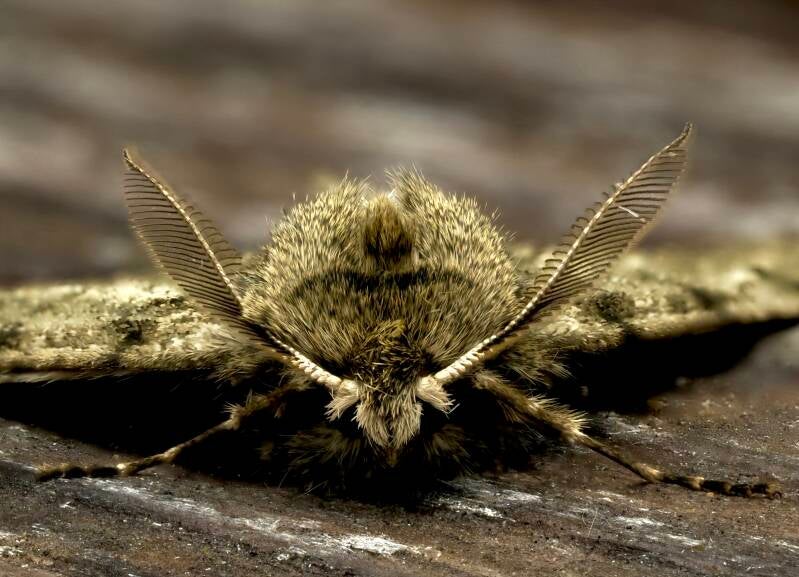
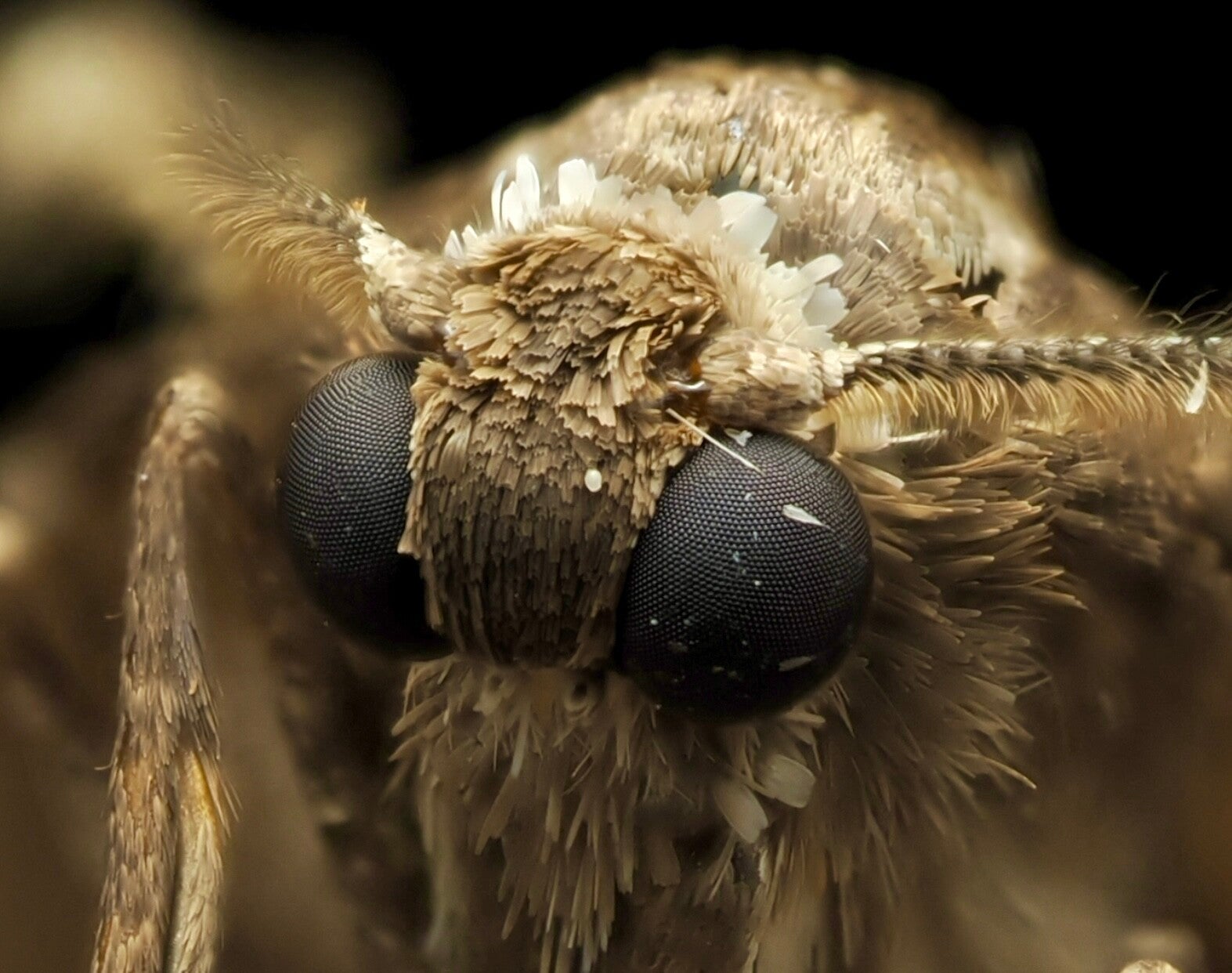
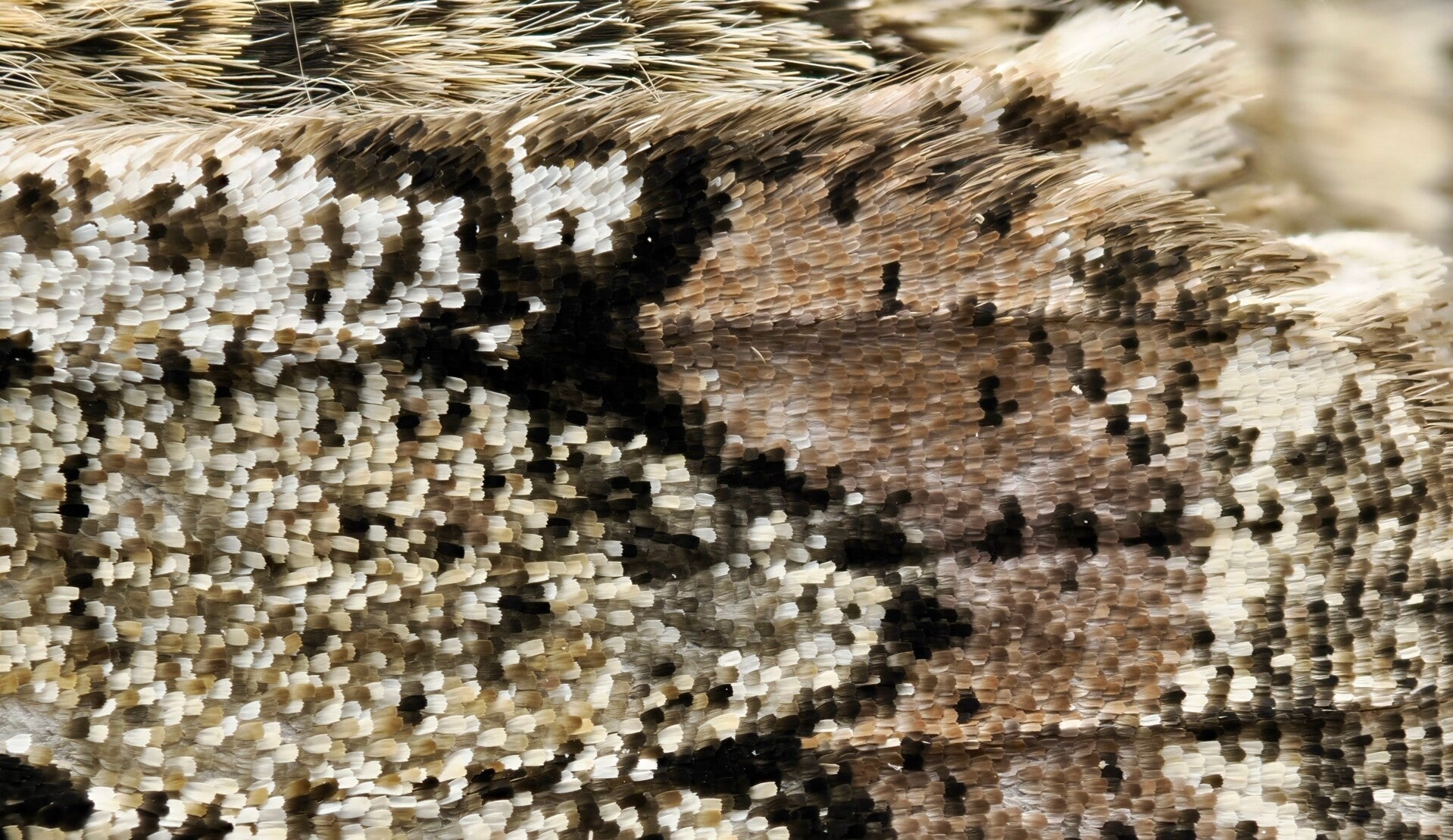
Embark on a visual journey through the fascinating world of moths found in a sub-urban garden in Abingdon throughout the course of a year. This is my diary of enchanting encounters with moths and macro photography, capturing the stunning, intricate beauty of these often-overlooked creatures. 

Nine clearwing species!

The clearwings are an amazing group of moths.  They mimic various different wasps and are day-flying.  They were previously very under recorded as they do not normally come to light.  The arrival of pheromone lures (you can buy some from ALS) has been a game changer.  This year, I have lured and photographed nine different species in my garden in Abingdon.  The only one missing is the Hornet clearwing (right), although I have trapped this species for both of the last two years.  I think the flight period for this species is over now (particularly with the hot dry weather) and so I am going to publish the nine species found in the garden in 2026.

Read more »

Hummingbird hawk

The red valarian plant, which I introduced to my garden a couple of years ago has self-seeded everywhere.  It is highly attractive to the Hummingbird hawkmoth which I have now seen on three occasions already this year.  On Friday evening, it flew into the house and couldn't find its way out.  This gave me the opportunity to photograph it.  Such a stunning moth, although even more impressive when it is hovering by the flower, feeding using its long proboscis.  The problem is trying to get a photo of it as it moves so quickly!

Read more »

The emeralds

Four species of emerald so far this year, but only two species at home.  Pictured here are the Common emerald (below), Blotched emerald (right), Small emerald (bottom left) and Large emerald (bottom right). 

Read more »

The Leopard moth

The Leopard moth is an annual visitor but never in large numbers.  It normally settled outside the trap.  It has a huge head with 6 black spots set in dense white fluffy hairs that resemble wool.  The spots in close up have a blue iridescence that is spectacular.  The wings have black spots against white scales but the density and type of scale changes to make the wings more transparent towards the tip. This may have evolved to showcase the long abdomen which curls up when threatened.

Read more »

The giants are here

So far this year, I have trapped eight species of hawk moth.  Seven are regular species, coming every year.  These are the Privet hawk (the larges native moth), Poplar hawk, Eyed hawk, Lime hawk, Pine hawk, Elephant hawk and Small elephant hawk.  The heatwave at the end of May brought be my 2nd and 3rd ever Striped hawkmoth too (see previous blog post).

Read more »

Rare clearwing

Another exciting way to attract moths is to use a pheromone lure.  The Clearwing family of moths are day-flying and are not attracted to light and were thought to be incredibly rare before specific lures were designed to imitate the pheromones emitted by females to attract males.  One that was thought to be extinct in the UK since 1924, until its rediscovery first in Warwickshire in 2021 and then near me in Tubney in 2023, is the Dusky clearwing.  This is an amazing wasp mimic - a brilliant trick to avoid predation!

Read more »

Heatwave fun

The very warm weather and southerly winds brought some very interesting moths to the garden.  Of particular note were two Striped hawkmoths (one pictured right) and two Eastern bordered straw moths (below).  Neither breed in this country and the Eastern bordered straw is new for me.

Read more »

Mothing by numbers

This lovely moth arrived on Monday morning.  the Figure of eighty is aptly named due to the pale motif on the wings that resembles the number '80' (see close up).  

Read more »

A couple of mochas

Two beautiful related species from my recent woodland trapping.  The first is a Mocha (left) from oak woods at Bagley Woods near Abingdon and the second (right) is a Birch mocha from the birch wood at Snelsmore Common (BBOWT) near Newbury.

Read more »

Double NFG in one day!

Taking the total garden macro list to 379 species were the arrival of several Red-belted clearwings to the lure and a very special pug that I have admired in books and had on my wishlist for ages.  This Netted pug rocked up at the white wall, attracted by the UV LED (395nm) - a very exciting moment.  I only noticed the spectacular colours on the clearwing antennae, shoulders, legs and tail from the photo - a really magnificent moth.

Read more »

The amazing mimic

This moth is so special.  A truly superb mimic of a silver birch twig.  It has evolved the most incredible patterning which makes it look just like a twig.  Even better, it has a flattened head which is coloured to look like a broken stick end and even holds its wings folded in at the back to give the impression of being a broken twig of silver birch.  

Read more »

About FitterMoths

FitterMoths is a personal project dedicated to documenting the moths encountered in my garden in Abingdon, Oxfordshire throughout the course of a year. It's a space to share my passion for entomology through regular trapping logs and to exhibit the captivating beauty of moths through macro photography.  

I started moth trapping as an 8-year old with my Dad and brother in 1982 in York and have been hooked ever since.  During lockdown, at the start of the 2020 mothing season, I decided to record the date of the first sighting for each species.  In 2025, I recorded every single moth I caught all year.  Check out the Yearly round up page to find out more from the 2025 season.

How can moths be that interesting?

Well, first up, there so many different beautiful varieties (over 2500 species in the UK).  They come in hundreds of different shapes, sizes and colours.  Some have evolved the most spectacular camouflage, others have patterns that have evolved to startle would-be predators and others have developed to mimic more dangerous insects. The thing that appeals to me most is that you never know what you'll find in the trap in the morning.

I love looking at blogs from other moth-ers around the country to find out what they are catching.  Some of my favourites are:


  • Flying in Fordham
  • Martin's Moths


The iPhone Pro series have an excellent macro camera.  This is very useful for documenting moths and also for getting help in identifying some of the trickier species (HINT: use the ObsIdentify app). This year, 2026, I splashed out on a DSLR camera and a macro lens.  The quality is so much better.  Check out the Photo gallery page to see the moths as I find them through 2026.  

Dive Deeper

Interested in how these moths are found and photographed?

.

Explore how to encourage moths to visit your garden and how to trap them.

Explore the photographic equipment used to capture these close-up shots